Meet the People Behind CAISA
Management

Rebecca Adler-Nissen is a Professor of Political Science at the University of Copenhagen and Director of CAISA. Her research focuses on global and European technology policy, with a particular emphasis on the intersection of artificial intelligence and geopolitics.
Inquiries for Rebecca Adler-Nissen may be directed to Liv Skak Bruun via email.


Thomas B. Moeslund is a Professor at the Department of Architecture, Design, and Media Technology at Aalborg University and Deputy Director of CAISA. His research focuses on computer vision, artificial intelligence, responsible AI, machine learning, image analysis, and robotics.
Chief Scientists

Anders Søgaard is a Professor of Artificial Intelligence and Machine Learning at the Department of Computer Science, University of Copenhagen, and Director of the Center for Philosophy of Artificial Intelligence and the COASTAL research collective.
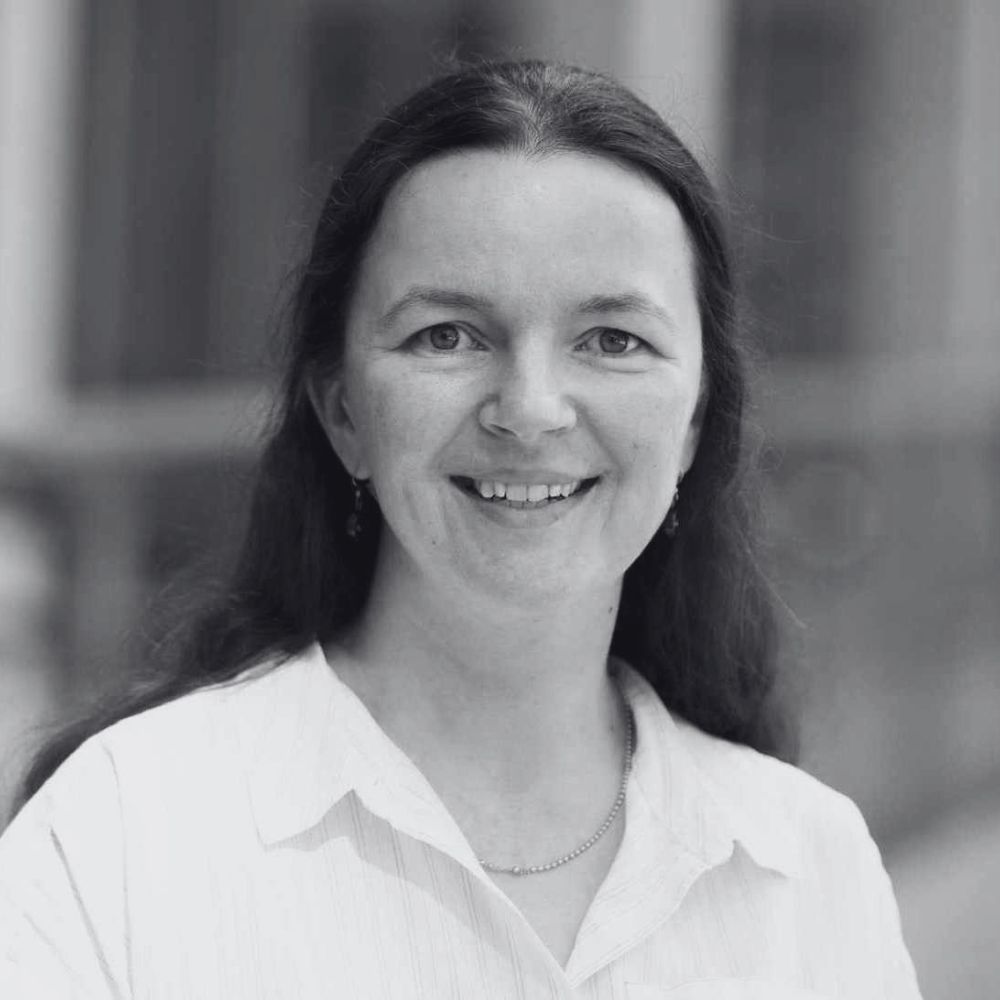
Anna Rogers is an Associate Professor in Data Science at the IT University of Copenhagen and researches natural language processing and large language models. She investigates interpretability and robustness in NLP systems, as well as the sociotechnical implications of their use.

Helene Friis Ratner is a Professor in the Department of Technology, Management and Economics at DTU and researches the impact of AI and digital technologies on the welfare sector. She investigates how data-driven technologies influence the organization of welfare services and the relationship between citizens and the state.

Malene Flensborg Damholdt is an Associate Professor of Psychology at Aarhus University and researches human relationships with robots and artificial intelligence. She investigates how social technologies are experienced and used as tools, actors, or something in between.

Roman Jurowetzki is an Associate Professor in Innovation Studies and Applied Data Science at Aalborg University and researches technological change, innovation economics, and policy development. He investigates how technological and economic transformations shape innovation, growth, and societal development.

Serge Belongie is a Professor of Computer Science at the University of Copenhagen and Director of the Pioneer Centre for Artificial Intelligence. His research focuses on computer vision, machine learning, and artificial intelligence.
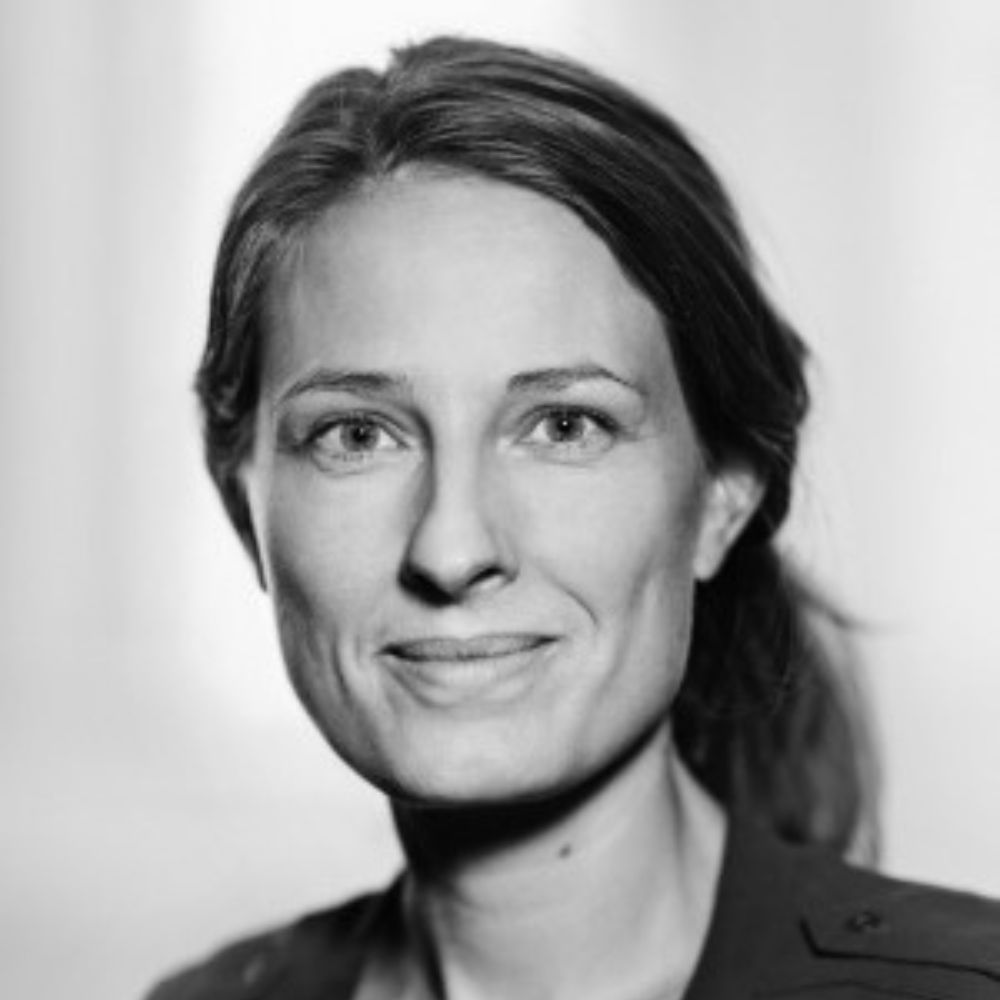
Stine Lomborg is a Professor of Digital Communication and Director of the Center for Tracking and Society. Her research focuses on digital tracking and the impact of data-driven decision-making on individuals, organizations, and society.

Sune Lehmann is a Professor of Network and Complexity Science at DTU Compute and a Professor of Social Data Science at the University of Copenhagen. He researches social systems and applies machine learning to analyze human behavior, mobility, and networks.
Researchers

Morten Axel Pedersen is a Professor of Anthropology and Social Data Science at the University of Copenhagen. His research focuses on digital sovereignty, AI governance, and human-AI interaction.

Andreas Bjerre-Nielsen is an associate professor in Economics and Social Data Science at University of Copenhagen and researches how digital technologies and data influence human behavior and decision-making. He is particularly interested in the role of technology in learning, education, and opportunities in a data-driven society.
.png)
Mogens Jin Pedersen is an Associate Professor at the Department of Political Science, University of Copenhagen, and conducts research in public administration. He studies public employees’ discretion and decision-making, as well as citizens’ attitudes and behaviour in their interactions with the public sector, including the use of AI.

Naja Holten Møller is an associate professor in the Promotion Programme at University of Cophenhagen and researches how relationships between citizens and the public sector are shaped and negotiated through digital technologies. Drawing on Participatory Design, she examines how technologies can be developed and used in ways that support democratic and human values.

Nicki Skafte Detlefsen is an Associate Professor in the Section for Cognitive Systems at Technical University of Denmark and researches the development, scaling, and deployment of machine learning models in practice. He investigates how these systems can be built and applied in responsible and robust ways.

Anders S. Johansen is a postdoctoral researcher at CAISA and Aalborg University, where he conducts research in computer vision. He investigates how legal and ethical expectations of AI systems can be translated into technical evaluation metrics.

Arthur Bran Herbener is a postdoctoral researcher at CAISA and studies human social interactions with chatbots and robots. He investigates the factors that drive and characterize people's social relationships with conversational technologies.

Arturo Valdivia is a postdoctoral researcher at CAISA and a researcher at the IT University of Copenhagen working in artificial intelligence. He leads a research initiative on human-AI interaction, focusing on technological sovereignty and AI governance.

Christopher Gyldenkærne is a postdoctoral researcher at CAISA and studies the responsible use of health data and artificial intelligence. He investigates how AI systems are developed and implemented in healthcare and welfare organizations.

Danae Sanchez Villegas is a postdoctoral researcher at CAISA and studies the capabilities, limitations, and reliability of multimodal AI systems. She develops evaluation methods to better understand the behavior and robustness of multimodal AI in interactive settings, contributing to more trustworthy and responsible AI.

Ilias Chalkidis is an assistant professor at CAISA and researches the sociotechnical challenges associated with the development and deployment of generative AI. His work examines the ideological and political positioning of GenAI assistants, the limitations of AI safety efforts, and critical perspectives on artificial intelligence.

Jacob Strabo is a postdoctoral researcher at CAISA and studies how societal change affects education and labor markets. He investigates how changes in social structures influence the skills, competencies, and opportunities that are valued in the workforce.

Jakob Laage-Thomsen is an assistant professor at DTU and researches the impact of technology on professional decision-making and public policy. He investigates how generative AI influences work processes and professional quality in public sector organizations.

Lisa Reutter Larsen is an assistant professor at CAISA and studies data-driven public administration. She investigates the interplay between technology, data, and democracy in the development of the public sector.

Sofie á Rogvi is a postdoctoral researcher at CAISA and DTU, where she studies vulnerable citizens’ encounters with AI in the public sector. Through observations and interviews, she examines the interaction between citizens, public-sector employees, and AI used in both the public and private sectors.
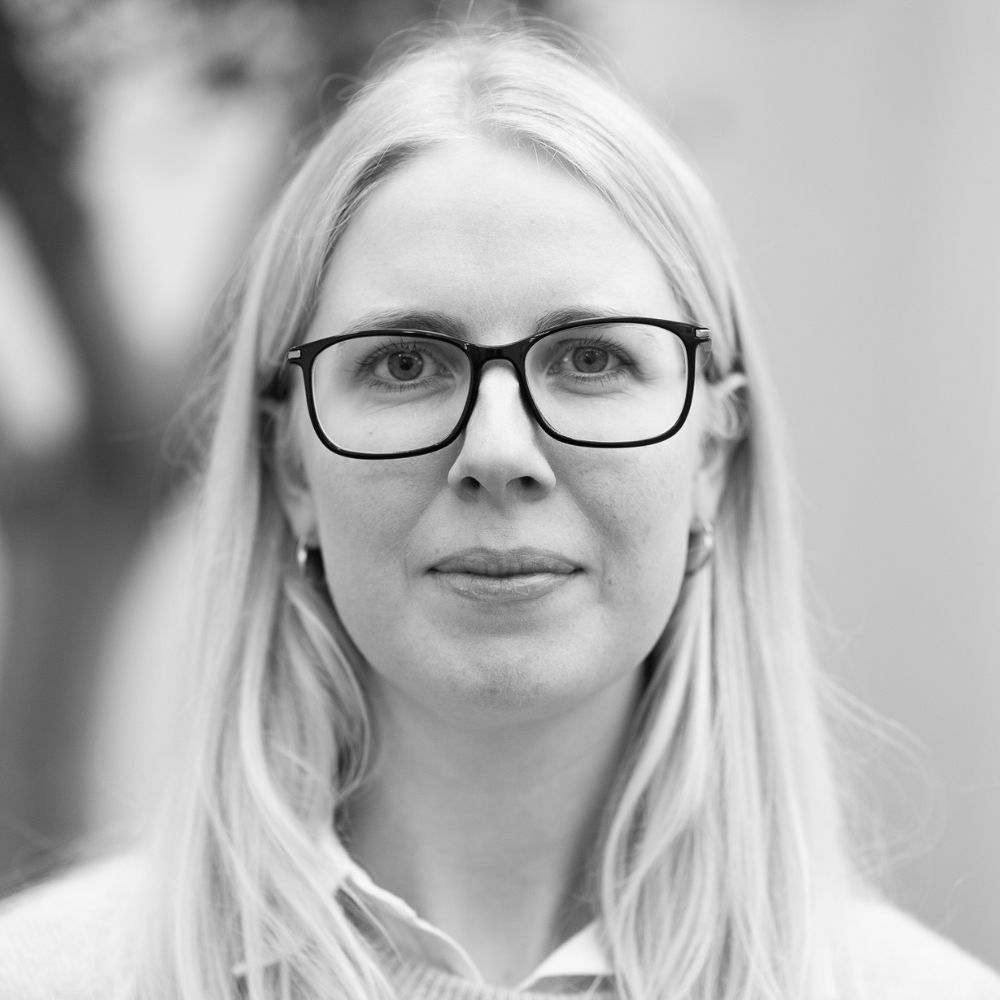
Terne Sasha Thorn Jakobsen is a postdoctoral researcher at CAISA and the IT University of Copenhagen. She researches and develops AI infrastructure that supports citizens' access to information from public institutions and civil society in secure and responsible ways.
Secretariat