Press
Subscribe to CAISA's newsletter and stay updated on the latest research, current events, analyses, and debates on artificial intelligence in society. Gain insights into responsible AI, digital sovereignty, and the impact of technology on democracy, the labor market, and the public sector – directly in your inbox. Please note that the newsletter is in Danish.
Sign up here:
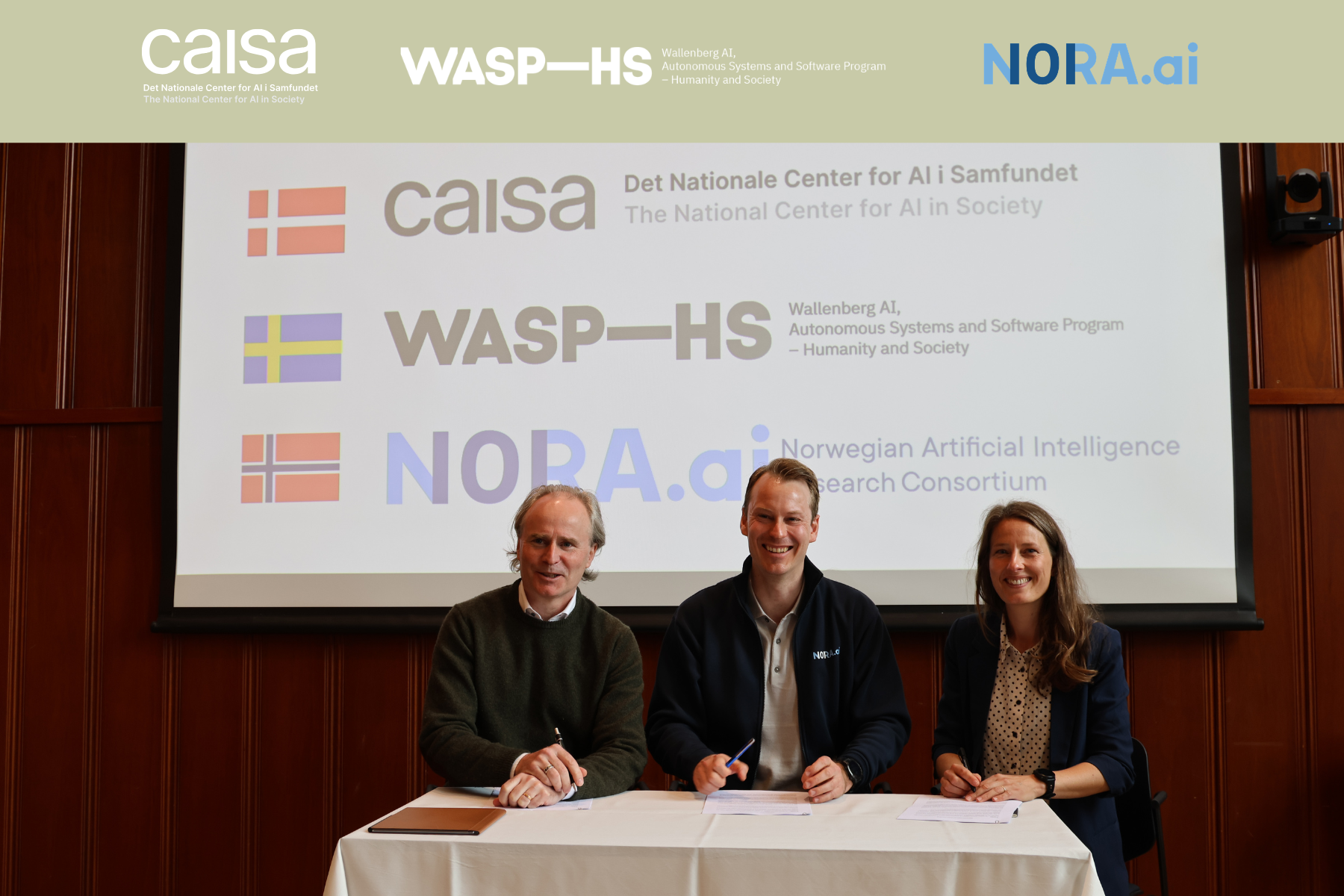
National academic AI initiatives in Sweden, Denmark, and Norway have signed a Memorandum of Understanding (MoU) to strengthen their collaboration and amplify the role of Social Sciences and Humanities (SSH) in AI research.

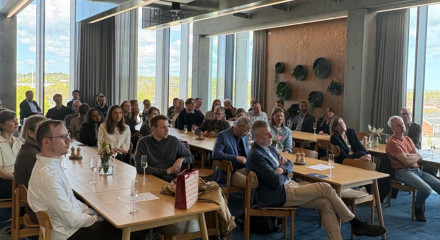
CAISA officially opens new hub in Aalborg. The new hub will strengthen national collaboration between academia, industry, and public sector actors, with a focus on artificial intelligence and its societal implications.
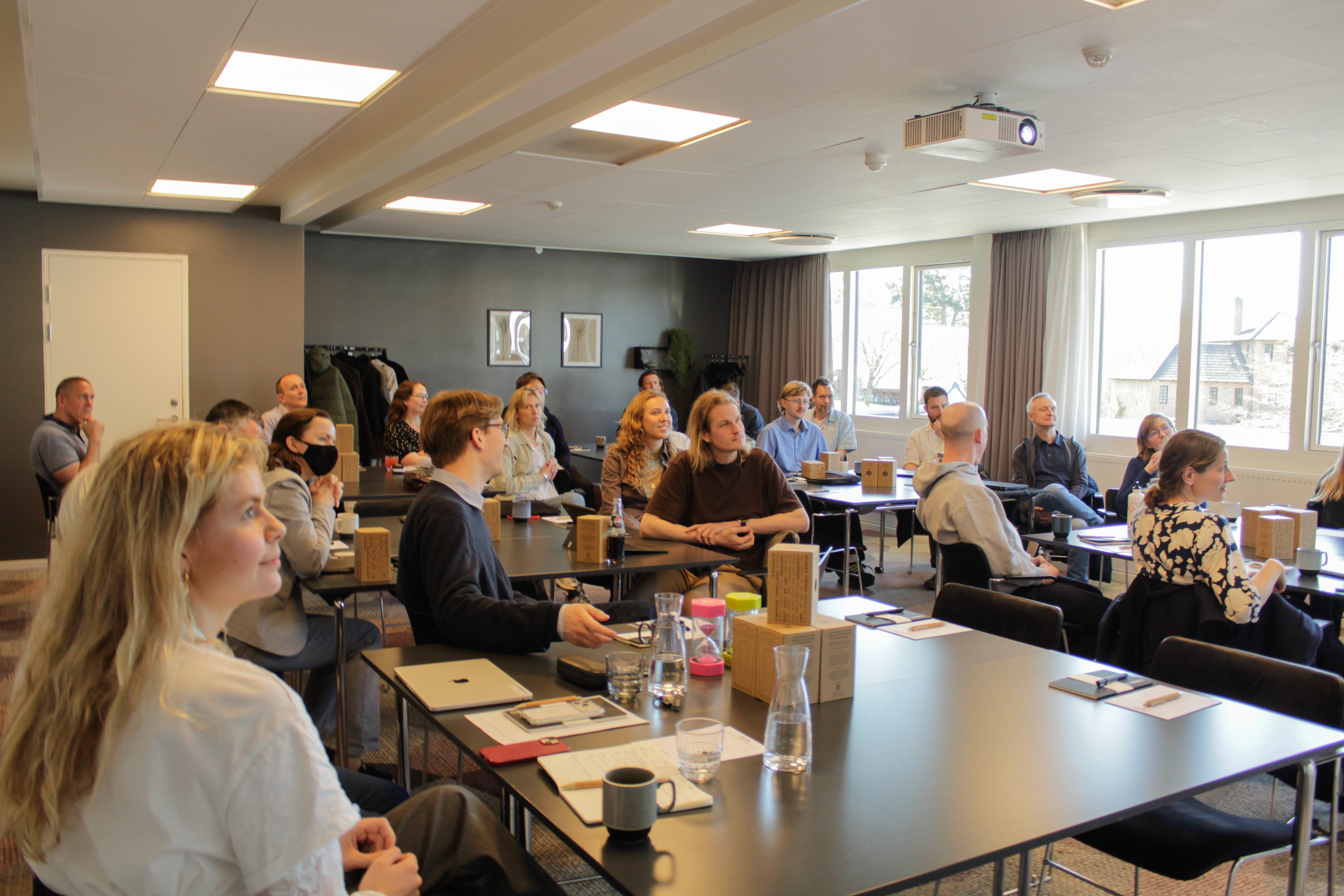
How will AI shape society in 2040, and which developments are most likely? At a CAISA seminar which took place on April 22. to 23, 2026, researchers used scenario analysis to map possible futures and their societal implications.

How is digital sovereignty translated into concrete organizational decisions? At the DI Digital event by the Confederation of Danish Industry, CAISA Chief Scientist Roman Jurowetzki provided perspectives on how work on digital sovereignty is moving from strategy to practice.
Artificial intelligence has moved into the core of Danish politics. During the government negotiations at Marienborg, AI was placed on the agenda as senior politicians participated in a seminar on the societal implications of the technology, with research-based perspectives from CAISA.
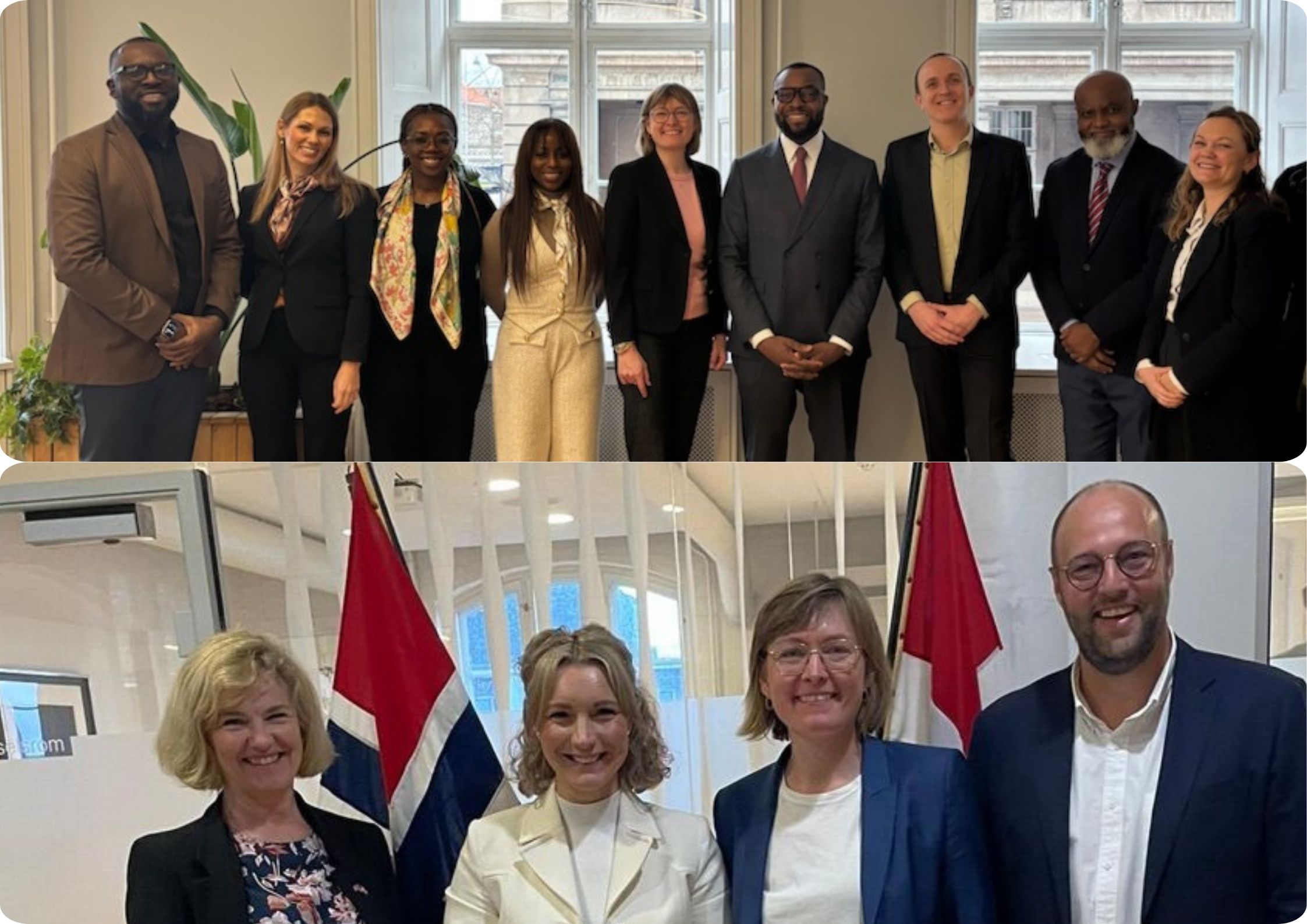
We have engaged with international research and policy delegations from countries including Norway, Estonia, and Germany. Most recently, we met with Nigeria’s Minister of Digital Affairs H.E. Dr. Bosun Tijani and his delegation...
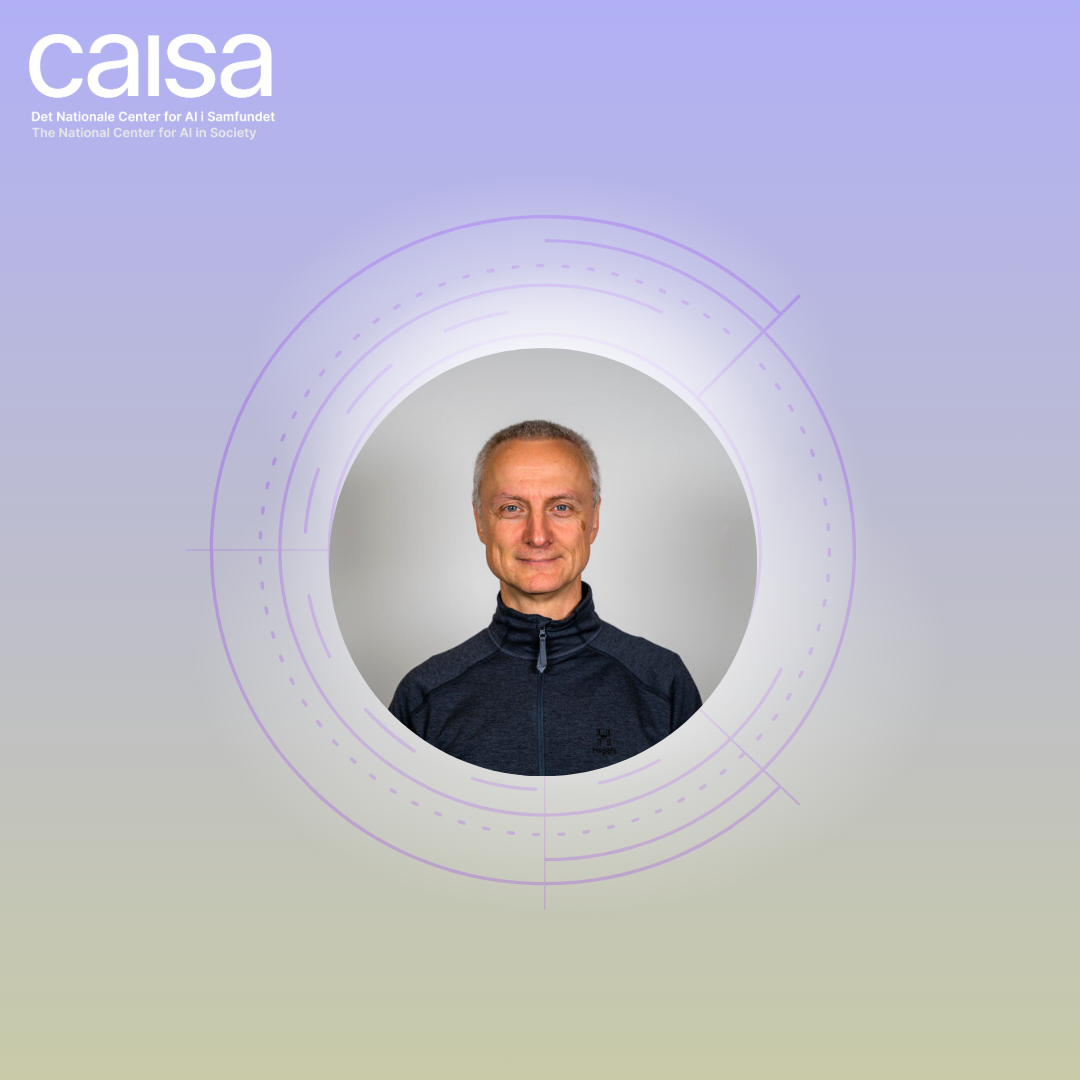
CAISA's Deputy Head, Thomas Moeslund, has been appointed to the Danish Data Ethics Council - one of Denmark's key bodies for technology development. The appointment reflects his research profile in artificial intelligence, ethics, and societal transparency.
Read more about the appointment, its implications, and why it matters
How can artificial intelligence strengthen practice-based learning in technical vocational education?
CAISA is a key partner in a new five-year project supported by the Novo Nordisk Foundation with DKK 6 million. The project aims to develop next-generation AI-powered learning tools for electrician, plumbing, and energy training programs.

On 5-6 November, CAISA's Chief scientists Rebecca Adler-Nissen, Morten Axel Pedersen, Roman Jurowetzki, and Anna Rogers participated in Digital Tech Summit 2025. The conference brings together more than 5,000 decision-makers, engineers, companies, academics, startups, investors, and students to discuss technology and its impact on industry and society.
The National Center for AI in Society (CAISA) has received DKK 45 million from the research reserve for a new AI collaboration with Statistics Denmark. This follows an agreement by the parties behind the research reserve on the allocation of next year's funding.
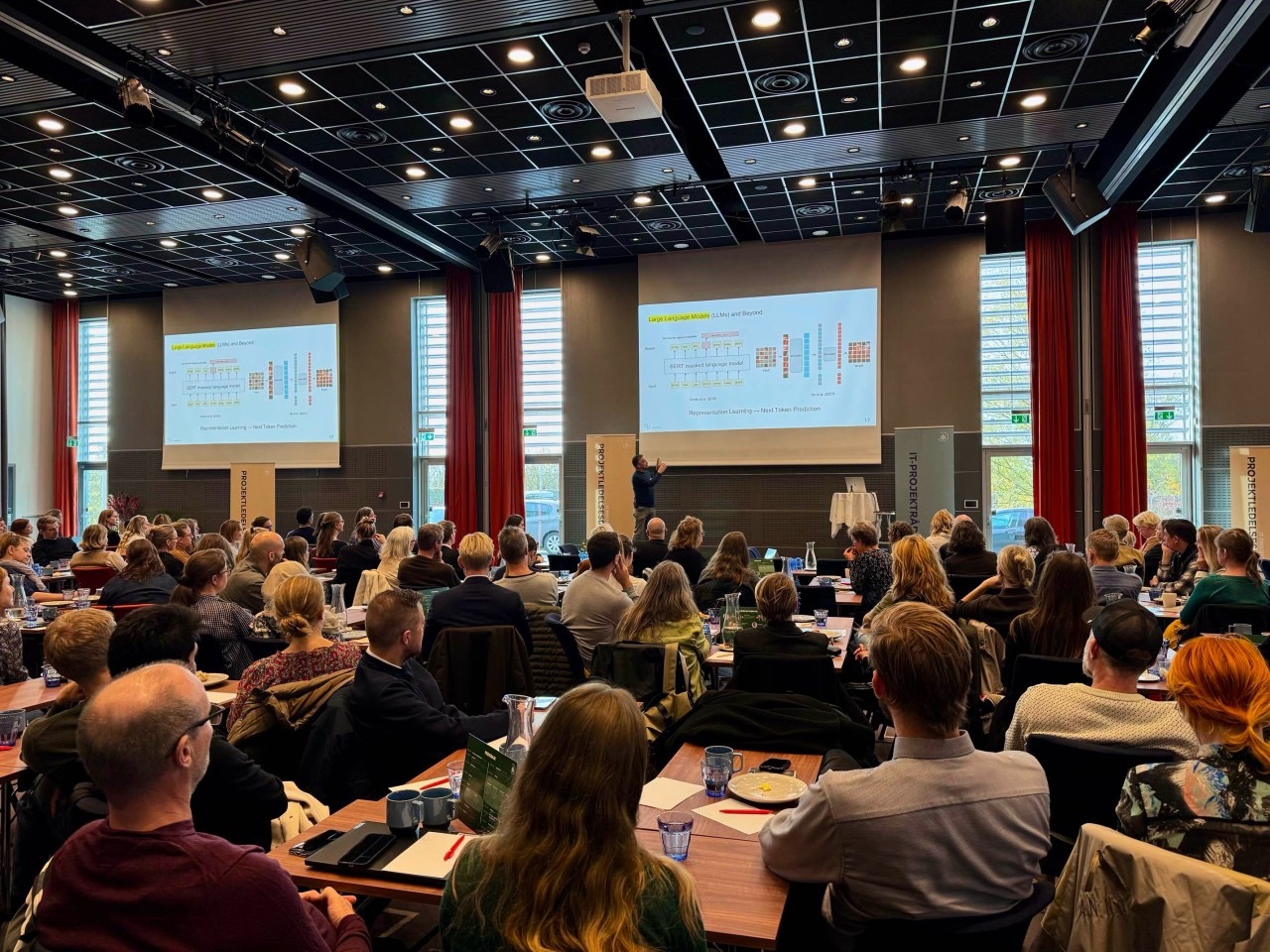
At the City of Copenhagen's Project Management Day 2025, CAISA's chief scientist Serge Belongie delivered one of the keynote presentations to more than 250 IT-project managers and decision-makers from across the municipality's digitalization efforts.
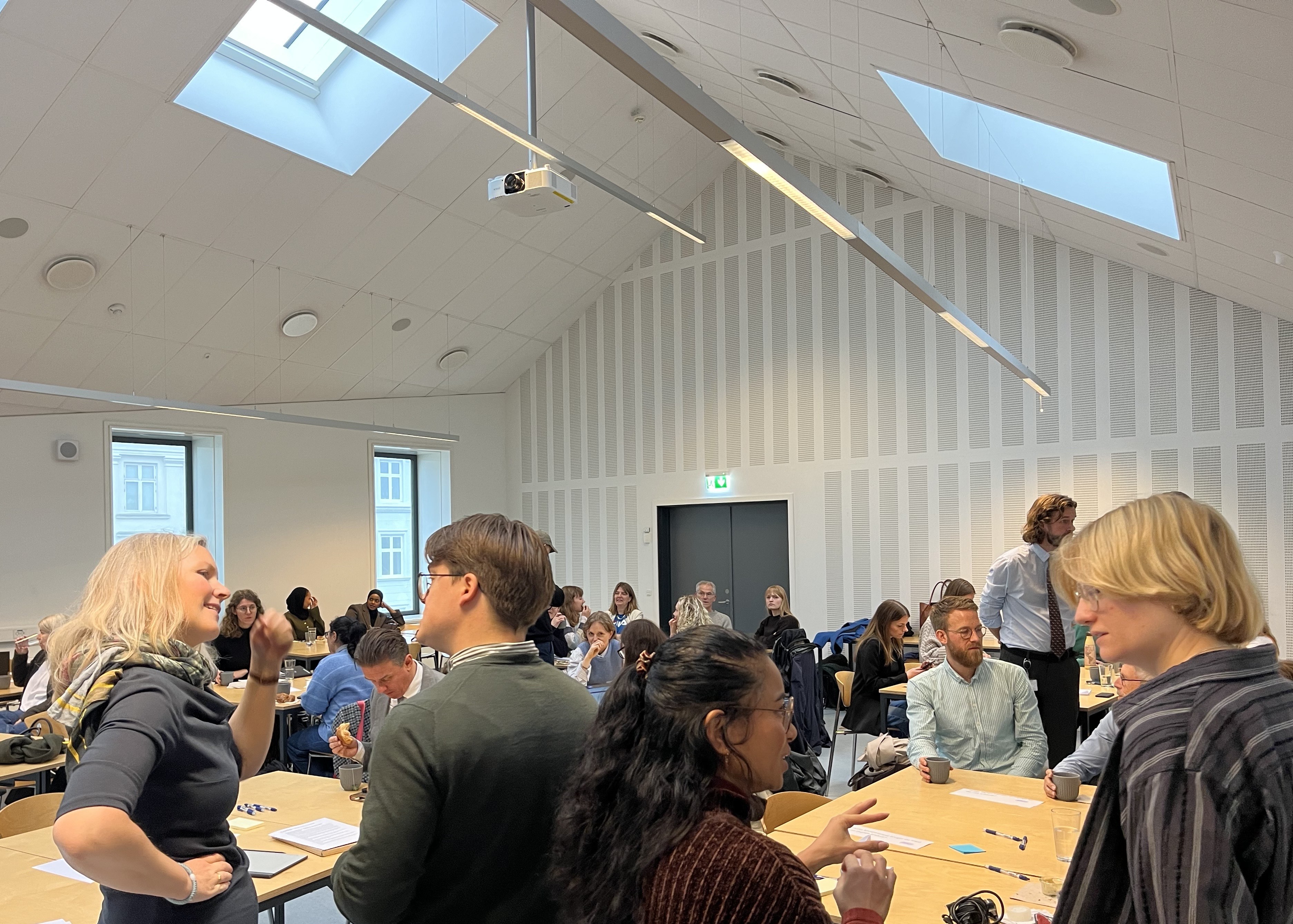
On October 30, 2025 , CAISA hosted a workshop exploring how artificial intelligence (AI) is transforming professional expertise and decision-making in the public sector.
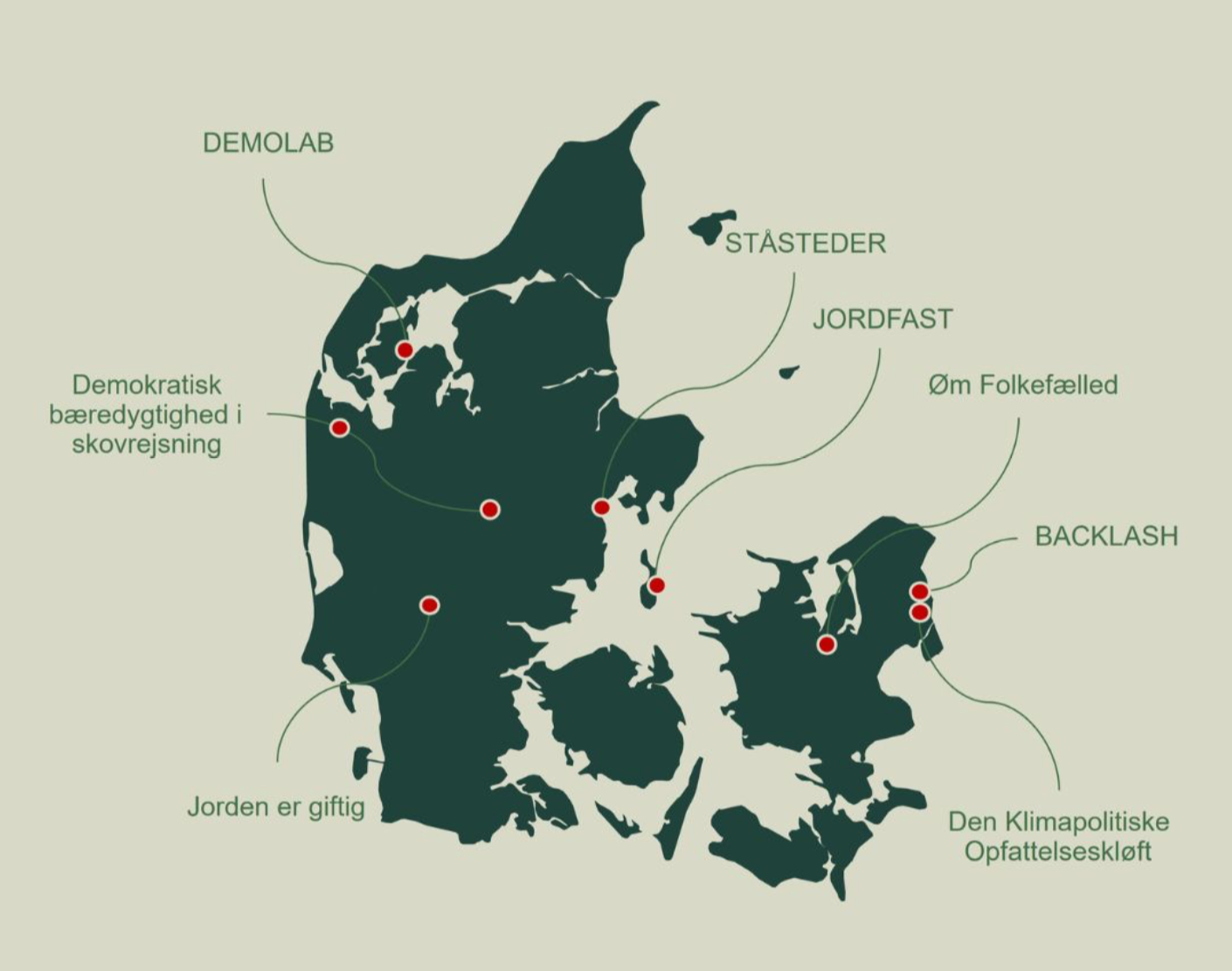
CAISA enters the STÅSTEDER project, which has recently received funding from the VELUX Foundation. The project uses perspectival modelling to strengthen democratic decision support in the green transition.
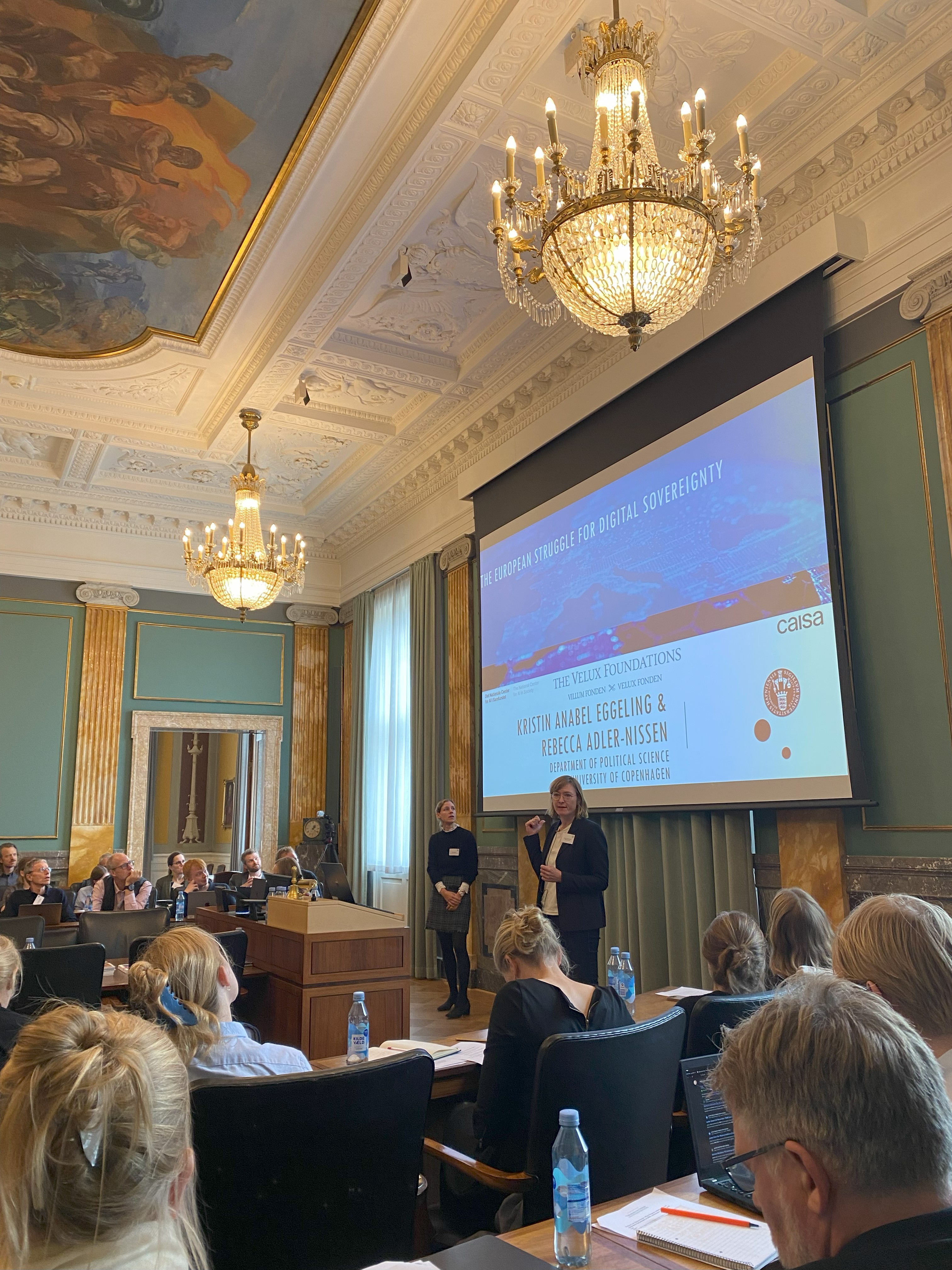
On October 8-9, 2025, several of CAISA's chief scientists - Rebecca Adler-Nissen, Sune Lehmann, and Morten Axel Pedersen - participated in an interdisciplinary symposium hosted by the Royal Danish Academy of Sciences and Letters, focusing on the EU's path towards digital sovereignty.

At this year's D3A Conference, CAISA hosted a deep-dive workshop on the societal impacts of artificial intelligence (AI). Led by Helene Friis Ratner and Thomas Moeslund, the session explored topics such as digital sovereignty, infrastructure, the public sector, and AI in small and medium-sized enterprises.
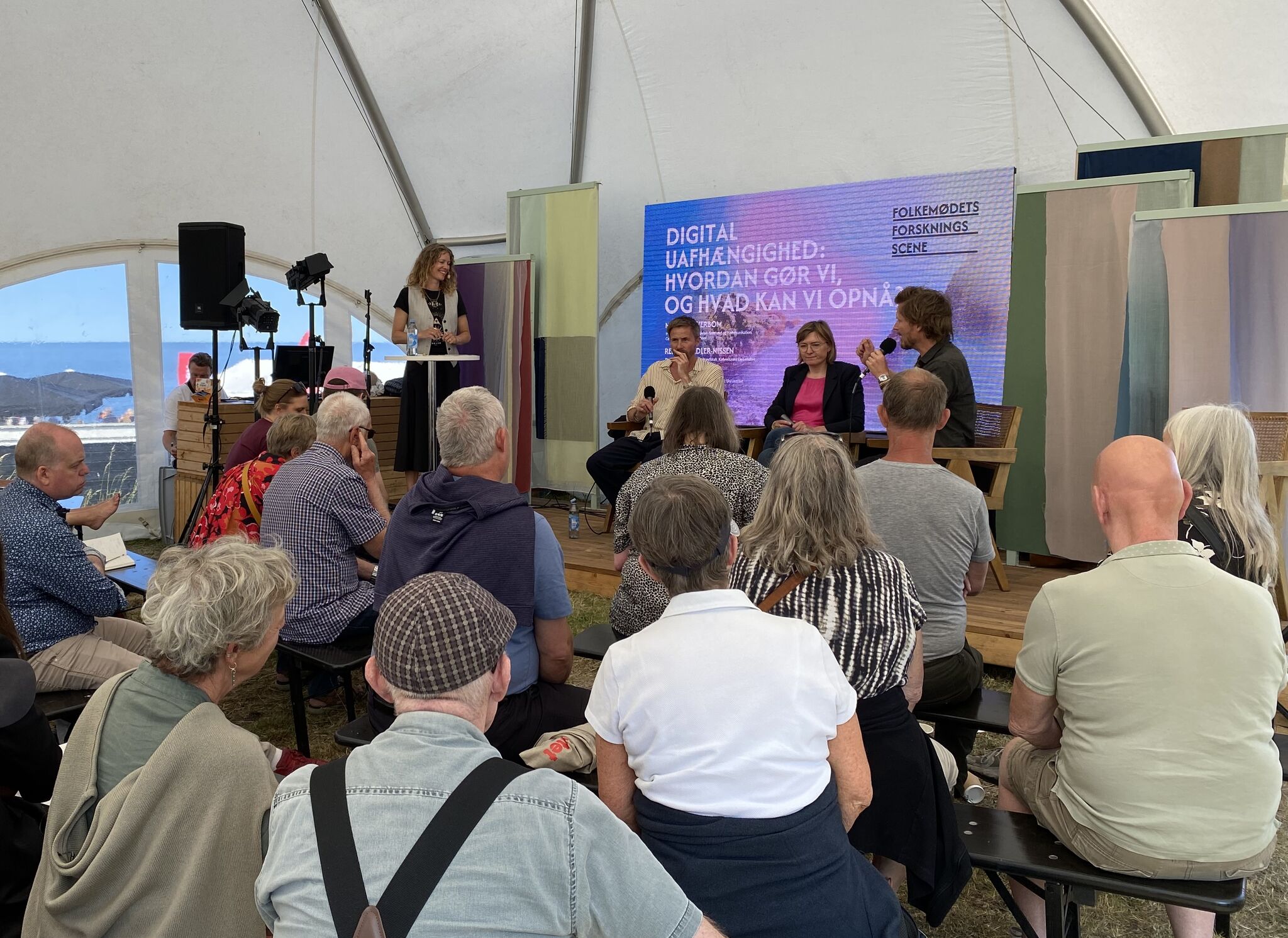
Recently, CAISA's Director Rebecca Adler-Nissen and chief scientist Anders Søgaard discussed digital independence on the Researchers' Stage at The People's Meeting (Folkemødet), alongside Mikkel Flyverbom and Astrid Haug.
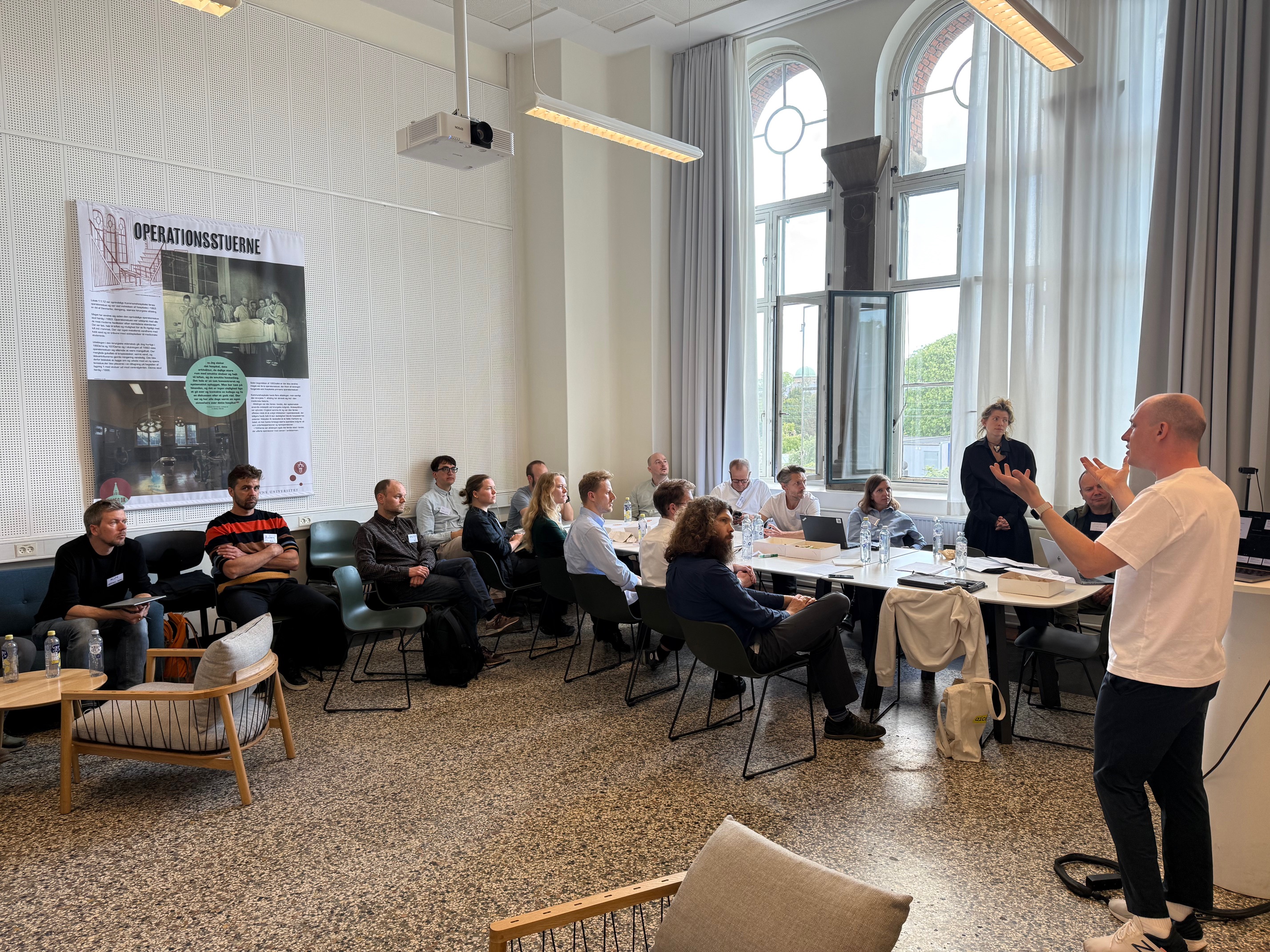
CAISA's workshop titled "AI building blocks: Need-to-do and Nice-to-do in the race for digital sovereignty" (Translated) organized by chief scientists Roman Jurowetzki and Morten Axel Pedersen, was the first in a series of technical workshops arranged by CAISA, bringing together AI experts across sectors.
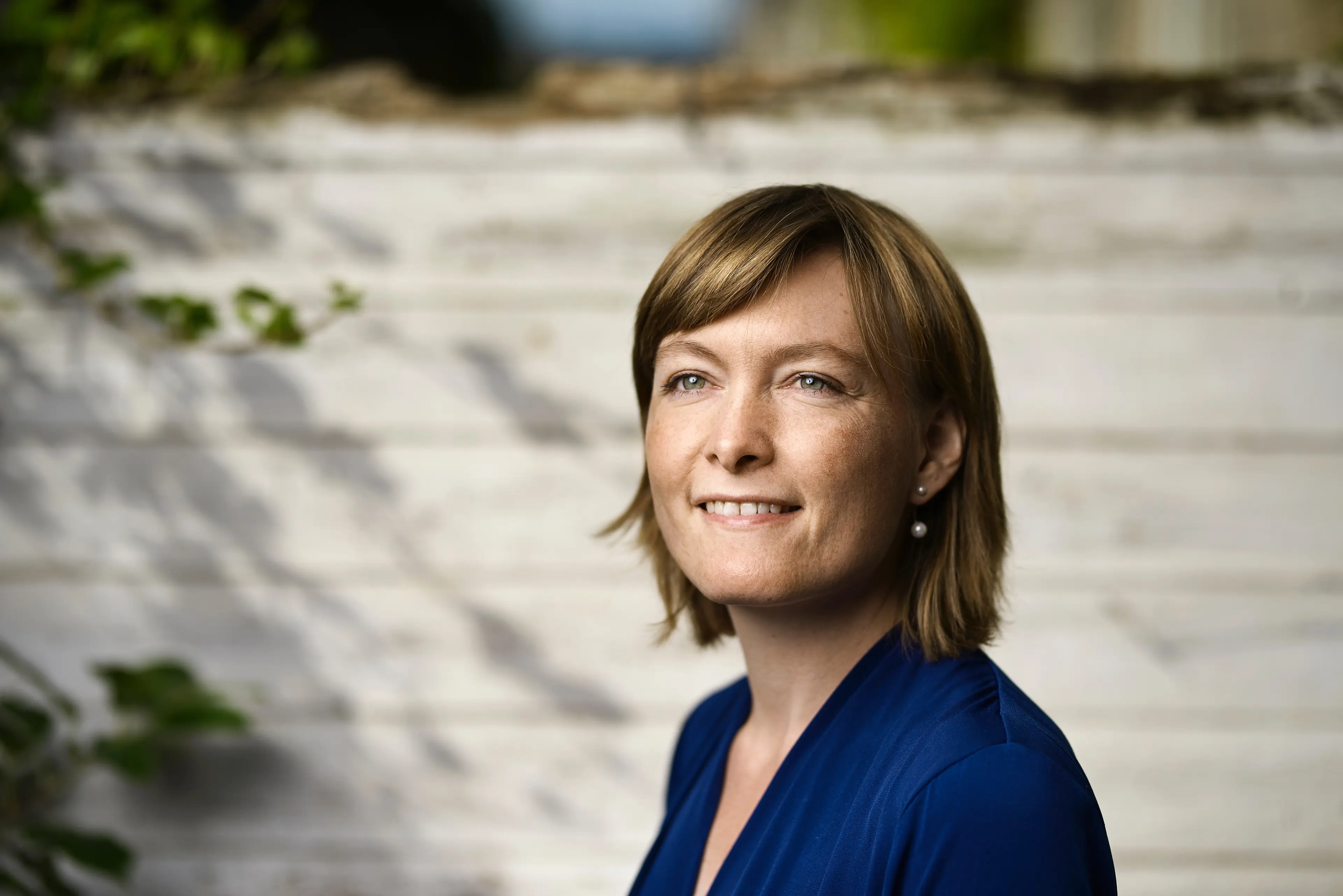
"Artificial intelligence can help reduce inequality, if we design solutions with the most vulnerable citizens in mind from the outset."
This is the message from CAISA's Director Rebecca Adler-Nissen in an interview with Kommunen.dk.
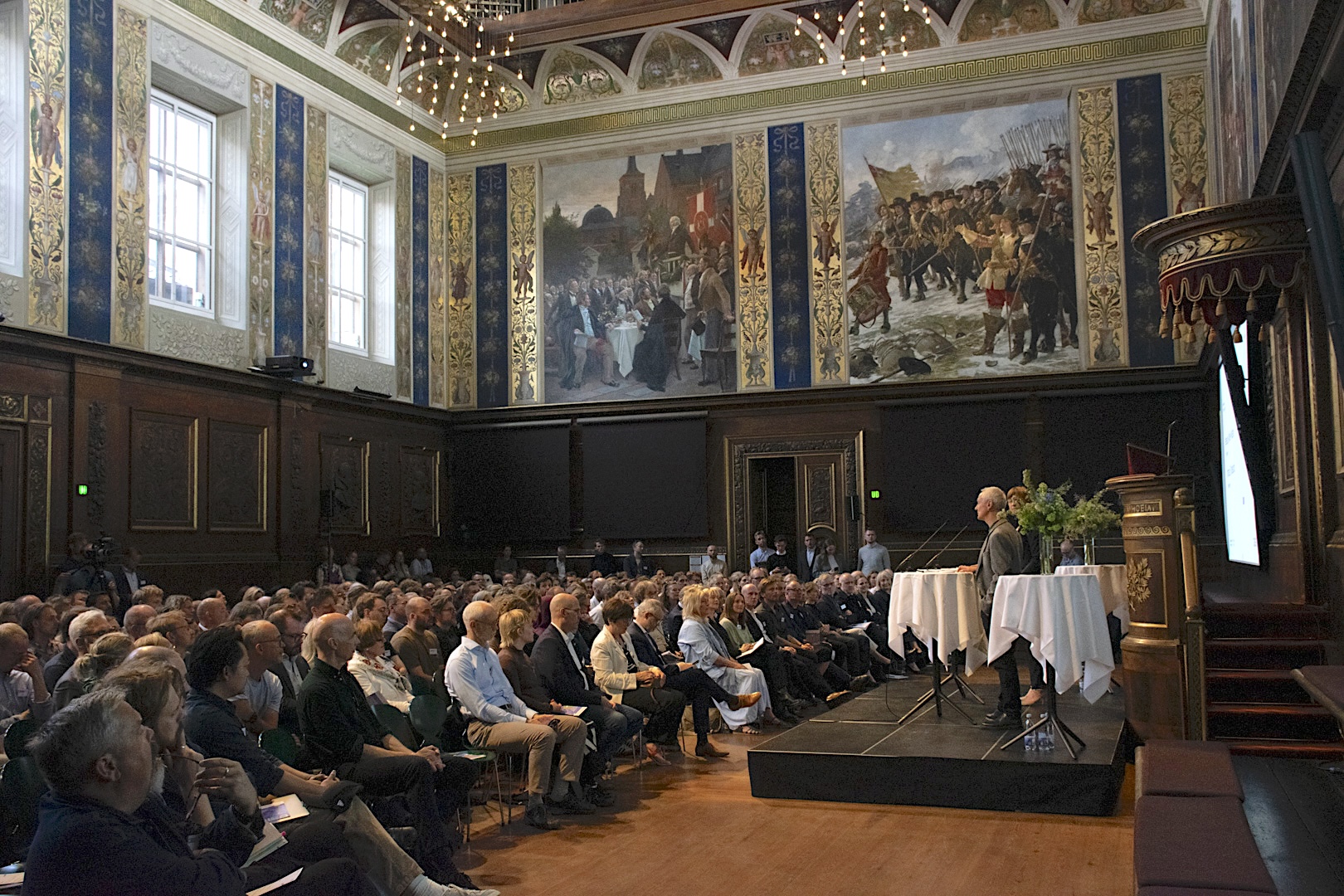
Welcome to the National Centre for AI in Society (CAISA). The official launch took place in the Ceremonial Hall at the University of Copenhagen.